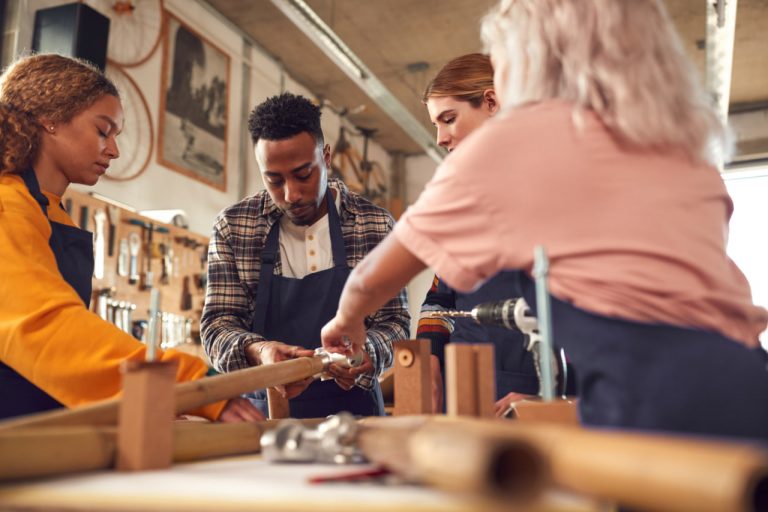

Tools and Materials Mastery
Mastering the tools and materials used in your home projects and hobbies is essential for achieving efficiency, safety, and high-quality results. Understanding the properties, proper use, and maintenance of tools and materials allows you to approach tasks with confidence and creativity. Tools and materials are not just functional—they are the foundation of skillful, enjoyable, and successful work.
Understanding Your Tools
Every project requires the right tools for the job. Knowing which tools are appropriate for a task, how they function, and how to use them safely is essential. From hand tools like hammers, screwdrivers, and pliers to power tools and specialized hobby equipment, mastery comes from both study and hands-on practice. Familiarity with your tools ensures that you can work efficiently and avoid common mistakes that lead to frustration or damage.
Material Knowledge
Materials vary widely in strength, flexibility, durability, and compatibility. Whether you are working with wood, fabric, metal, paint, or synthetic materials, understanding their properties is critical. Knowledge of material characteristics allows you to choose the right type for a project, handle it correctly, and apply techniques that enhance performance and appearance. Misunderstanding materials can result in wasted time, errors, or substandard outcomes.
Safe and Effective Use
Proper tool handling and material management are crucial for safety and efficiency. Using tools with the correct technique, securing workpieces properly, and wearing protective gear prevents accidents. Similarly, proper handling and storage of materials, such as avoiding moisture for wood or storing paints safely, ensures longevity and usability. Safe practices allow you to focus on the task without distraction or risk.
Maintenance and Care
Maintaining your tools and materials extends their life and keeps them performing optimally. Regular cleaning, sharpening, lubricating, and storing tools correctly prevents deterioration and ensures readiness for each project. Likewise, caring for materials by protecting them from damage, exposure, or contamination preserves quality and reduces waste. A well-maintained set of tools and materials contributes directly to successful outcomes and smooth workflows.
Selecting the Right Tools
Choosing the correct tool for a specific task is essential to achieving precision and efficiency. Consider the size, type, and purpose of each tool in relation to the project. For example, selecting the correct drill bit or paintbrush can dramatically affect results. Understanding tool limitations and capabilities allows you to work smarter, not harder, and prevents mistakes caused by improper equipment use.
Organizing Tools and Materials
Organization is a key component of mastery. Keeping tools and materials organized ensures that they are easily accessible, reduces time spent searching, and prevents damage. Toolboxes, shelves, bins, and labeled containers create an efficient system that supports both home tasks and creative projects. A structured environment enhances focus, reduces stress, and encourages consistent use of learned skills.
Troubleshooting and Adaptability
No project is completely predictable. Mastery involves knowing how to troubleshoot when tools or materials do not behave as expected. Understanding alternative techniques, making adjustments, and adapting to different materials or conditions allows you to maintain quality and progress without frustration. Adaptable skill sets ensure that you can approach challenges with confidence.
Integrating Tools Into Your Workflow
Effective use of tools and materials requires integrating them seamlessly into your routines and projects. Planning sequences, positioning materials for easy access, and preparing tools before starting work enhances efficiency. A structured workflow reduces wasted effort, prevents errors, and allows for smoother execution of tasks, whether for home repairs, DIY projects, or hobbies.