
Creative Hobby Techniques
Engaging in hobbies provides not only enjoyment but also personal growth, stress relief, and a sense of accomplishment. Developing creative techniques enhances your ability to approach hobbies thoughtfully, efficiently, and with greater confidence. By learning practical methods, you can maximize your creativity, improve outcomes, and make your leisure activities more rewarding.
Understanding the Role of Technique
Technique is the foundation of skillful and enjoyable hobby practice. Whether you are painting, crafting, sewing, woodworking, or engaging in other creative pursuits, understanding proper methods ensures that your projects are successful and your efforts are efficient. Techniques provide structure, allowing you to focus on creativity while reducing frustration caused by trial-and-error mistakes.
Planning and Preparing Projects
Preparation is key to successful hobby work. Planning involves selecting materials, organizing tools, and setting up a workspace conducive to productivity and creativity. Effective preparation prevents wasted time and materials, ensures safety, and allows you to concentrate on the creative process itself. A well-organized workspace fosters focus, clarity, and inspiration.
Mastering Tools and Materials
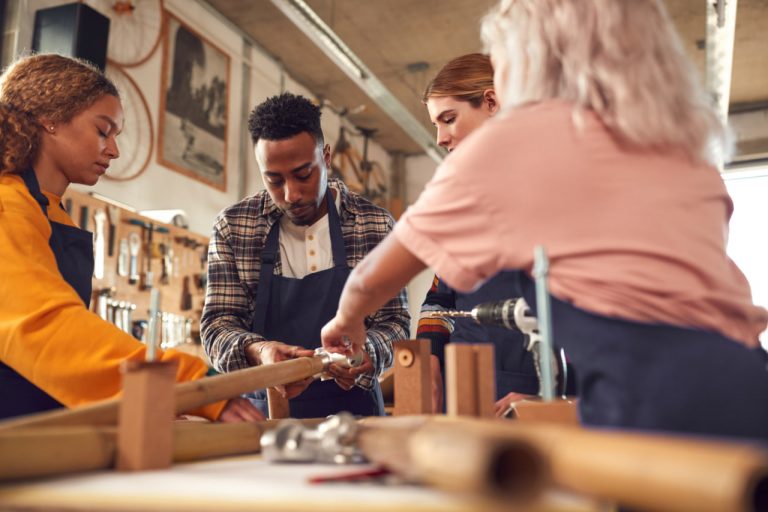
Every hobby requires familiarity with specific tools and materials. Understanding their properties, limitations, and best practices improves both efficiency and results. Whether working with paints, fabrics, wood, or other materials, knowing how to use tools correctly minimizes errors and enhances precision. Proper handling and maintenance of equipment also extend its lifespan and reduce the risk of accidents.
Problem-Solving and Adaptability
Creative hobbies often involve unexpected challenges, from design adjustments to material limitations. Developing problem-solving skills allows you to navigate obstacles effectively and maintain progress. Adaptability is equally important; learning to adjust techniques or approaches to suit the specific requirements of a project ensures that creative ideas can be fully realized, regardless of constraints.
Experimentation and Innovation
Techniques provide a foundation, but experimentation encourages growth and discovery. Trying new approaches, combining methods, or modifying processes helps expand your skillset and introduces innovative solutions. Experimentation nurtures confidence and curiosity, allowing you to push boundaries and create unique, personalized results in your hobbies.
Time Management for Hobbies
Efficiently managing your time ensures that hobbies remain enjoyable rather than overwhelming. Structuring sessions, setting achievable goals, and breaking larger projects into manageable steps enhances focus and satisfaction. Good time management allows for steady progress while preserving the relaxation and enjoyment that make hobbies rewarding.
Safety and Comfort
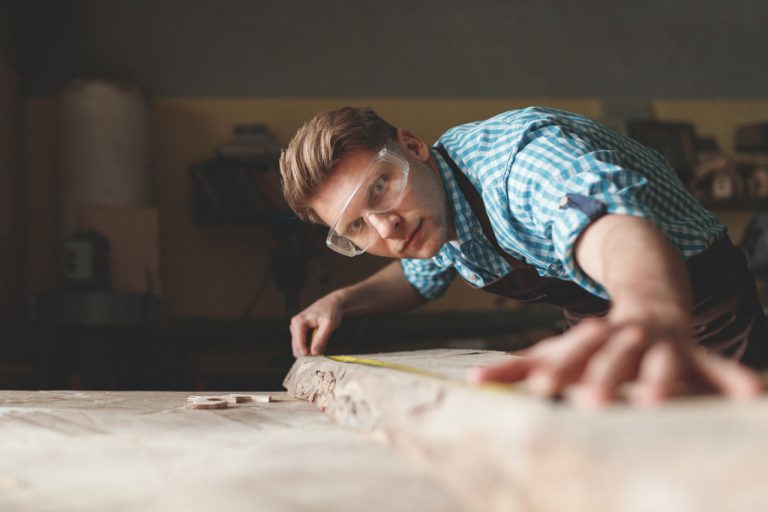
Many hobbies involve tools, equipment, or materials that require attention to safety. Using protective gear, maintaining proper posture, and following recommended practices ensures a safe and comfortable environment. Prioritizing safety not only prevents accidents but also allows for longer, more enjoyable engagement with your hobbies.
Reflecting and Improving
Regular reflection on your hobby practice helps identify strengths, areas for improvement, and new techniques to explore. Keeping notes, documenting processes, or reviewing projects allows you to track progress and refine your methods. Continuous improvement ensures that your skills evolve over time, enhancing both the quality and enjoyment of your creative endeavors.